A Brief History Of Our Pub in Kintbury – riverside inn with idyllic rooms and relaxed waterside dining
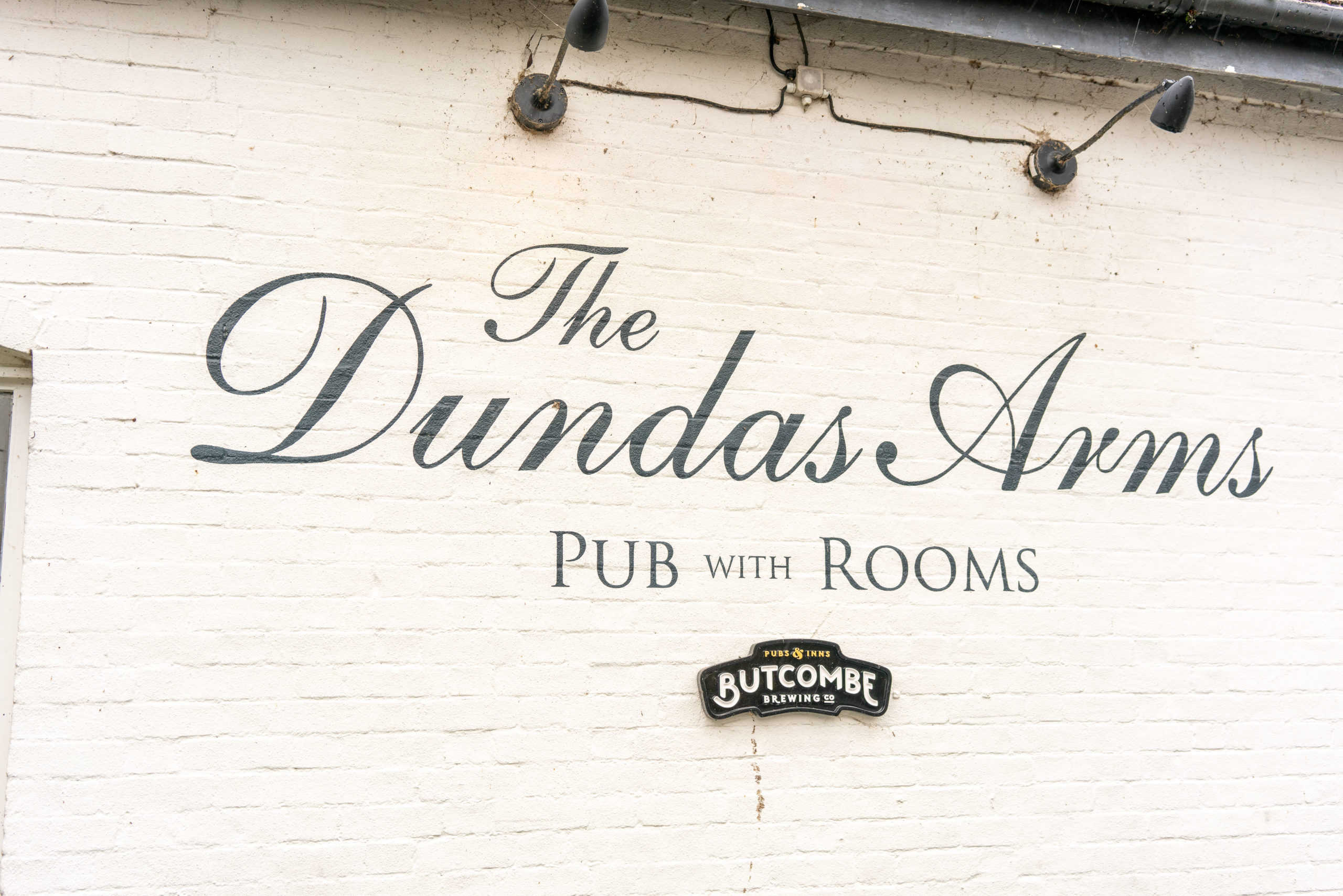
Welcome to The Dundas Arms, Kintbury
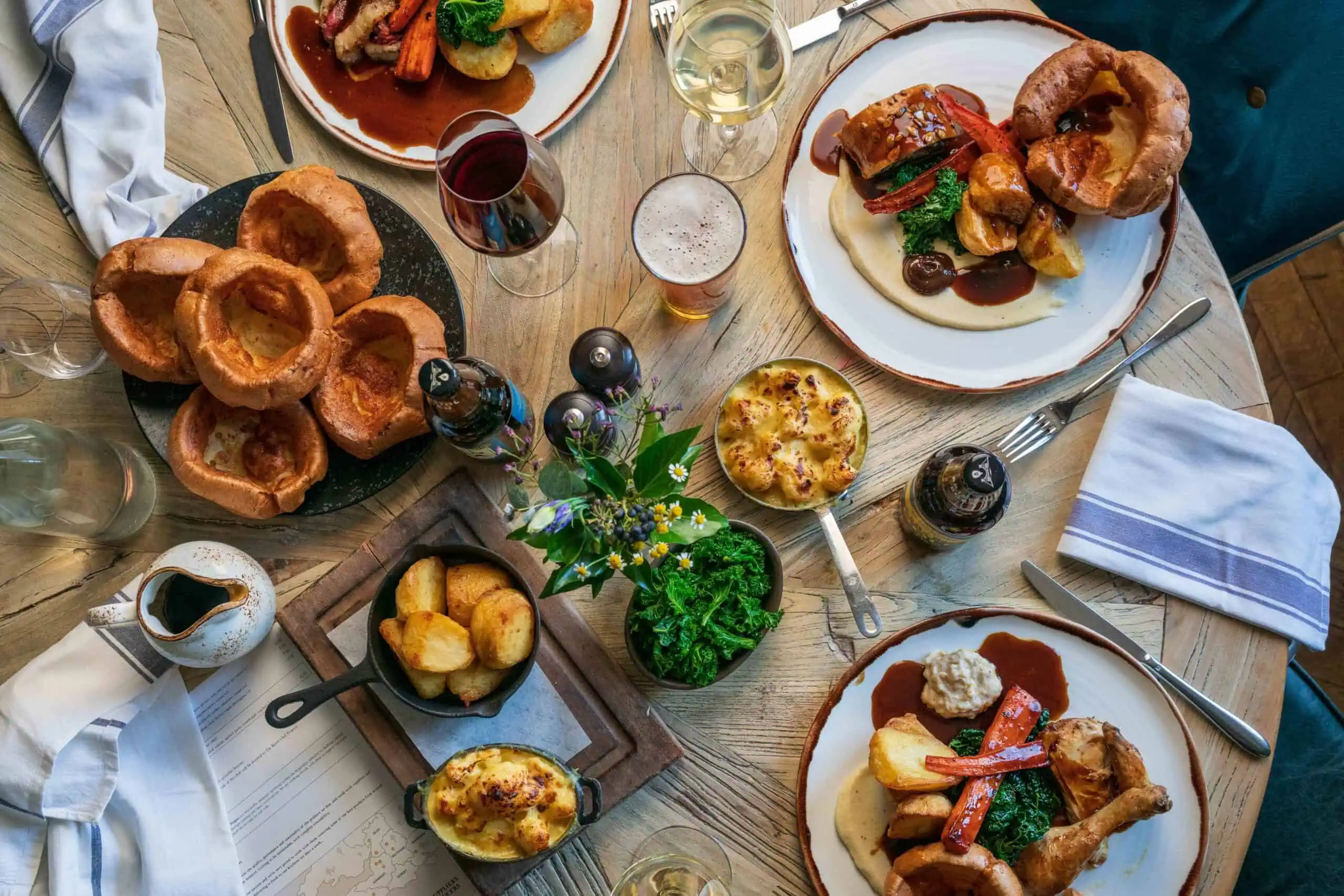
Nestled in the heart of the picturesque West Berkshire village of Kintbury, The Dundas Arms is a definitive British country inn. Uniquely positioned on a narrow strip of land between the peaceful River Kennet and the historic Kennet and Avon Canal, this Georgian property pairs quintessential rural charm with boutique hospitality. It boasts a popular seasonal restaurant showcasing regional British provenance, a expansive water-fringed beer garden, and eight beautifully appointed en-suite bedrooms—including ground-floor riverside rooms with private terraces that look directly out onto the passing canal wildlife.
The Dundas Arms – A Journey Through Time
Origins and Early History
The foundation of The Dundas Arms is inextricably linked to the birth of Britain’s industrial canal network rather than an early 18th-century coaching trail for pilgrims. Built in the late 18th century, the inn emerged directly alongside the construction of the Kennet and Avon Canal, which was fully opened to connect the River Thames at Reading with the River Avon at Bristol. The pub was named in honour of Charles Dundas, the first chairman of the Kennet and Avon Canal Company and a prominent local politician who lived at nearby Barton Court. It was specifically established to service the bustling watermen, bargees, and traders who transported coal, timber, and West Country agricultural produce along this vital national waterway.
Architectural Development
Architecturally, The Dundas Arms stands as an authentic, Grade II listed Georgian property (first listed in 1951). Built using classic Berkshire red brick, the main building exhibits the refined symmetry, elegant proportions, and multi-paned sash windows characteristic of late 18th-century design. The interior retains the comforting layout of a traditional public house, complete with robust wooden support beams, open log-burning fireplaces, and an iconic bar counter intricately topped with hundreds of pre-decimalisation British pennies. Recent architectural additions have been carefully balanced, introducing a stylish, plant-lined marquee and a covered outdoor terrace that seamlessly expands the dining space onto the water’s edge.
Role in Travel, Trade, and Society
Because of its unique layout pinned between two waterways, The Dundas Arms never functioned as a traditional, long-distance stagecoach terminal for horse-drawn coaches. Instead, it operated as a bustling canal inn, providing a vital stopping point where barge crews rested their horses and secured a pint of ale. For the village of Kintbury, the inn served as an essential social bridge. It brought the isolated, agricultural community into direct contact with the wider industrial world moving along the canal, acting as a lively social hub for local farmworkers, millers, and rivermen who shaped the local trade economy.
Historical Events and Notable Figures
The true historical weight of the inn belongs to the political and social tensions of the early 19th century. Its namesake, Charles Dundas, was famously targeted by the radical writer and campaigner William Cobbett during his renowned Rural Rides in the 1820s. Cobbett publicly confronted Dundas at a dinner in nearby Newbury, fiercely accusing him of launching false political slurs against working-class reformers. Rather than playing host to romanticised Napoleonic military officers, the inn’s verified modern narrative is defined by its careful twentieth-century preservation, successfully transitioning into a celebrated, high-end managed property within the award-winning Butcombe Brewing Co. estate.
Cultural and Literary Connections
The idyllic, weeping-willow-lined banks of the Kennet and Avon Canal have long served as an inspiration for artists, walkers, and writers exploring pastoral southern England. The Dundas Arms beautifully captures the layout of a premium contemporary British gastropub—championing sustainability and traceable regional provenance. Its menus showcase ingredients sourced from local estates and surrounding Berkshire producers, pairing elevated pub classics with Butcombe’s award-winning real cask ales, craft beers, and Ramsbury distillery gins. This dedication to quality has turned the inn into a legendary destination for fly-fishermen tracing the River Kennet and rail travellers escaping Central London via the adjacent Kintbury railway station.
Modern Preservation and Cultural Legacy
Today, The Dundas Arms thrives as a vibrant, multi-award-winning boutique inn. Sympathetic structural conservation has preserved its original Georgian architecture while modernising its eight country-house style guest rooms with luxury linens and contemporary comforts. The expansive rear beer garden, surrounded by winding waterways and illuminated by delicate fairy lights, remains a crown jewel of Berkshire’s summer hospitality scene. The venue safely balances its role as a friendly, dog-friendly village local with its status as a premium national travel destination featured in heritage pub guides.
Conclusion
The Dundas Arms successfully bridges the gap between an authentic, 18th-century canal inn and a luxurious modern country escape. We invite you to join us on Station Road, unwind by our log fires, and experience the exceptional food, local ale, and tranquil waterside views that have defined this West Berkshire landmark for centuries.