

A Brief History Of Our Pub in Baltic Wharf – harbourside pub serving relaxed food with waterside views
Welcome to The Cottage Inn: A Historic Gem in Baltic Wharf, Bristol
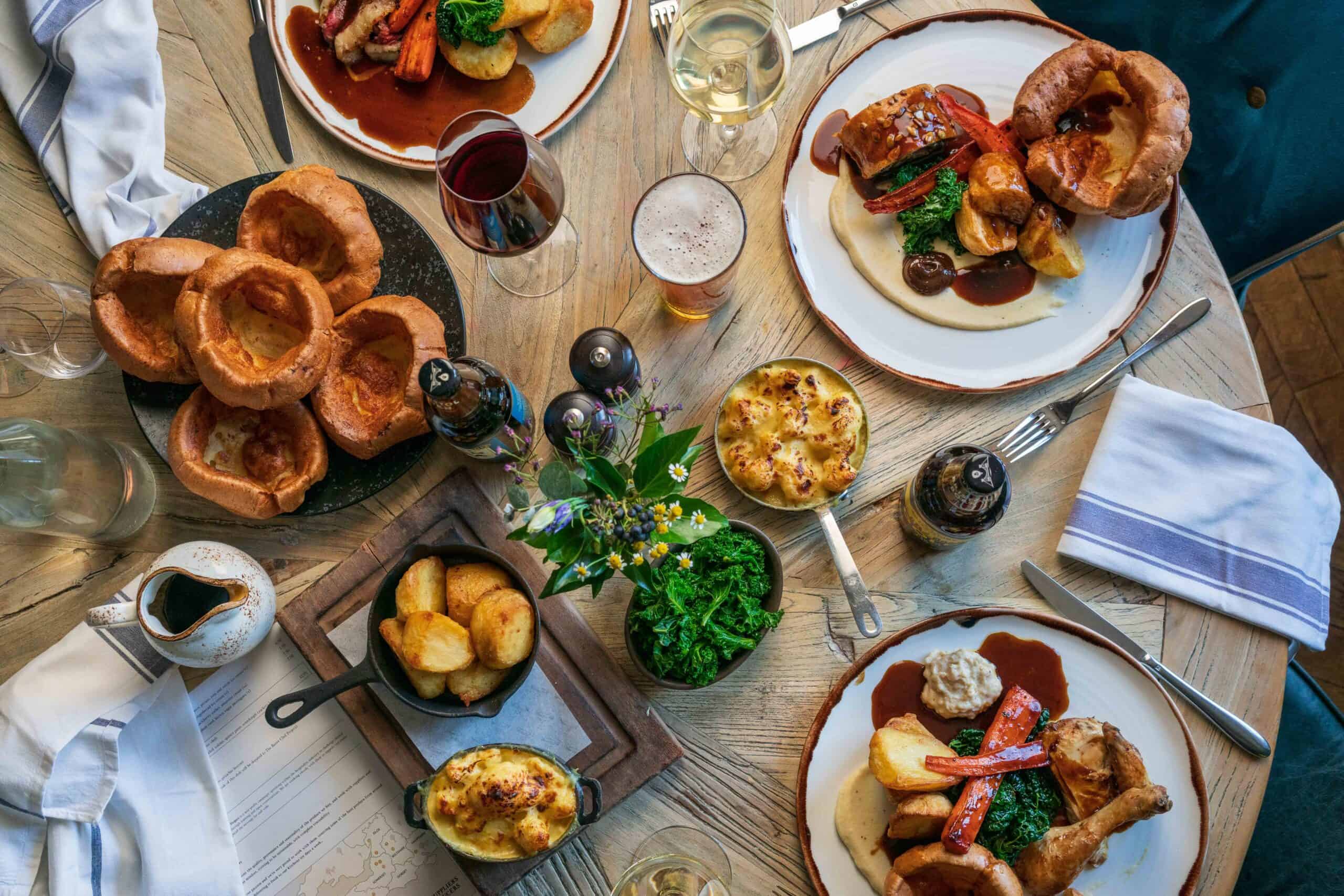
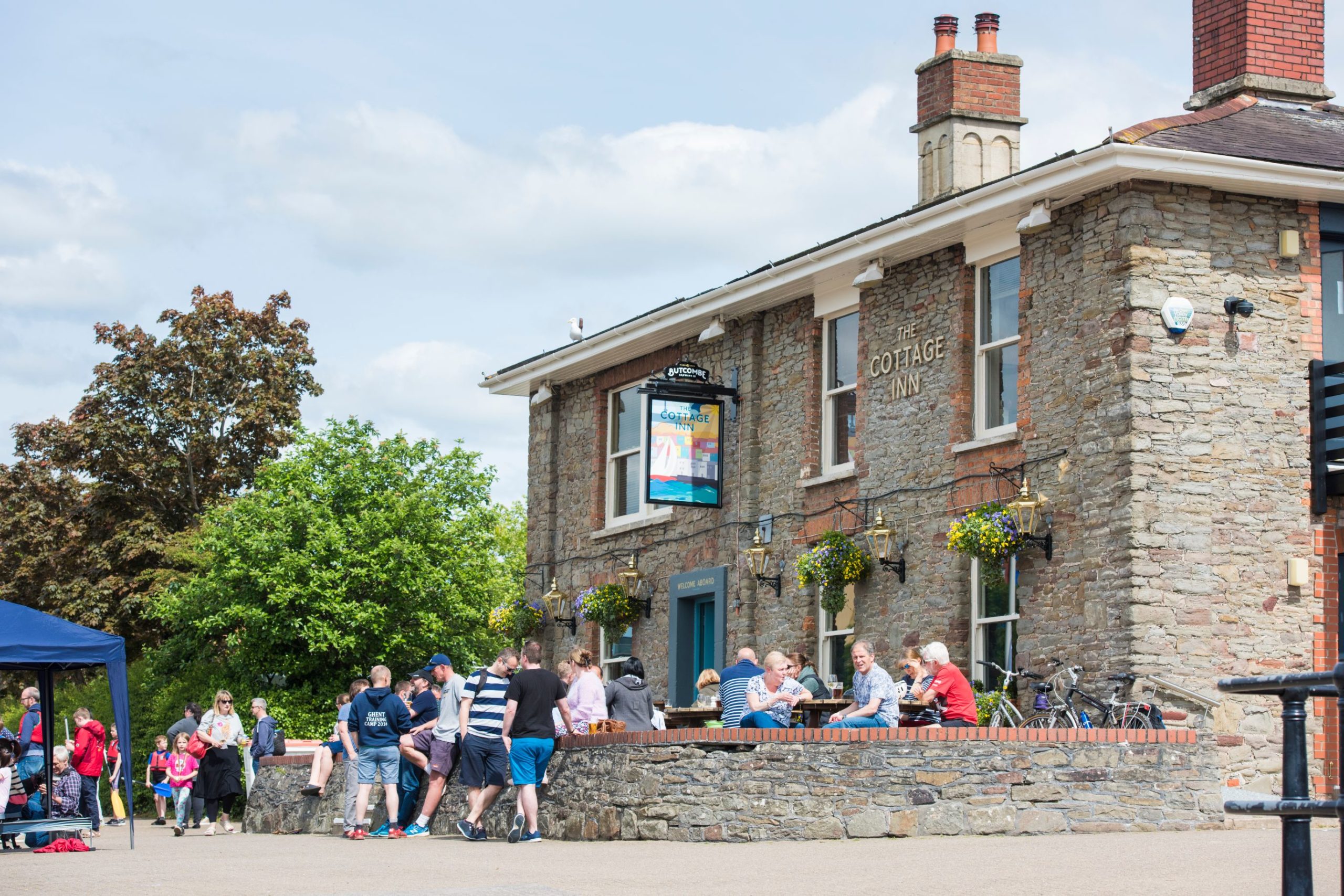
Discover the heart of history at The Cottage Inn, a cherished landmark nestled in the vibrant surroundings of Baltic Wharf on Bristol’s historic floating harbour. Capitalising on one of the most striking waterside locations in the city, this bustling pub features an expansive front patio terrace, warm wood-panelled interiors, and exceptional panoramic views overlooking the water toward Clifton. It serves as a premier destination for locals, families, and dog-owners looking to enjoy fresh seasonal seafood, hearty pub classics, and a premium range of Butcombe beers.
A Beacon of Heritage
Perched gracefully on the waterfront of Baltic Wharf, The Cottage Inn stands as a testament to Bristol’s storied timber trade and maritime evolution. Rather than beginning its life as a Georgian coaching tavern or a dedicated sailors’ alehouse, this unique venue is a converted late-Victorian industrial asset. It has spent over a century deeply intertwined with the development of the city docks, evolving from a secure mercantile warehouse into one of Bristol’s most iconic and popular harbourside pubs.
Origins and Early History
The structural history of The Cottage Inn dates back to 1868, a period when Bristol’s floating harbour was expanding rapidly to accommodate massive global shipping networks. The building was originally constructed not as a drinking house, but as a dedicated commercial warehouse for local timber merchants. Situated on the wharves of the floating harbour, it played a vital economic role as a transit storehouse where vast shipments of raw Baltic timber were seasoned, sorted, and distributed to the booming shipyards and construction businesses of the industrial docklands.
Architectural Development
Architecturally, the exterior of The Cottage Inn remains almost entirely untouched since its mid-19th-century construction. Built using robust local brickwork and masonry designed to withstand the harsh elements of a working dockside, the property demonstrates the functional, secure style of Victorian maritime industrial architecture. Inside, the pub has been carefully converted into a welcoming social space, featuring maritime maps, seafaring artwork, and classic wooden flooring. Despite its incredible local prominence, the building is not officially Grade II listed, meaning its preservation relies directly on the careful stewardship of its operators.
Role in Travel, Trade, and Society
Historically, the building sat at the absolute centre of the commercial trade operations that defined Baltic Wharf. It was a site dominated by maritime labourers, dockers, and wood-merchants who unloaded sailing barques arriving from Scandinavia and Russia. When the commercial city docks finally closed to commercial traffic in 1975, the empty warehouse was saved from urban decline by being repurposed as the official headquarters for the Bristol Harbour Master’s Office. It operated as the administrative command center for the modern leisure harbour until 1983, when it was structurally refurbished and formally opened as a public house named The Cottage.
Historical Events and Notable Figures
The true historical value of The Cottage Inn lies in its direct links to the monumental engineering and industrial heritage of Bristol. The pub stands directly overlooking the historic Underfall Yard—the working 19th-century boatyard that maintains the harbour’s sluices and locks—and sits just a short walk from Brunel’s SS Great Britain, the legendary iron steamship designed by Isambard Kingdom Brunel. Rather than hosting fictional military strategists, the building’s real timeline honors the generations of dockworkers, shipwrights, and modern harbour masters who built Bristol’s maritime identity.
Cultural and Literary Connections
The dramatic industrial skyline of the Bristol floating harbour, backed by the elegant terraces of Clifton, has long served as a subject for regional topographers, maritime artists, and local diarists. The Cottage Inn captures the layout of a quintessential British waterside tavern—characterised by its outdoor stone patio, panoramic views of passing river traffic, and deep roots in regional commerce. This authentic setting ensures that the building remains a prime example of the industrial structures that have been successfully integrated into the cultural and social life of modern Gloucestershire and Bristol.
Modern Preservation and Cultural Legacy
Today, The Cottage Inn functions as a premier destination venue. Recent design choices have enhanced its nautical charm with comfortable furnishings and blue wood-panelled walls, while safely modernising the kitchens to support an upscale menu highlighting fresh fish. The venue remains an essential cultural landmark for locals, serving as a social focal point for major harbourside festivals, Ashton Gate match days, and launch events.
A Living Legacy
The Cottage Inn successfully balances its 19th-century timber-trade origins with the dynamic requirements of contemporary independent hospitality. We invite you to visit us at Baltic Wharf, grab a pint of local ale on our waterside terrace, and experience the vibrant harbourside atmosphere that has defined this historic location for nearly three centuries.