
A Brief History Of Our Pub in Cirencester – traditional Cotswold inn offering warm rooms and classic dining
Welcome to The Bear Inn: A Historic Landmark in the Cotswolds
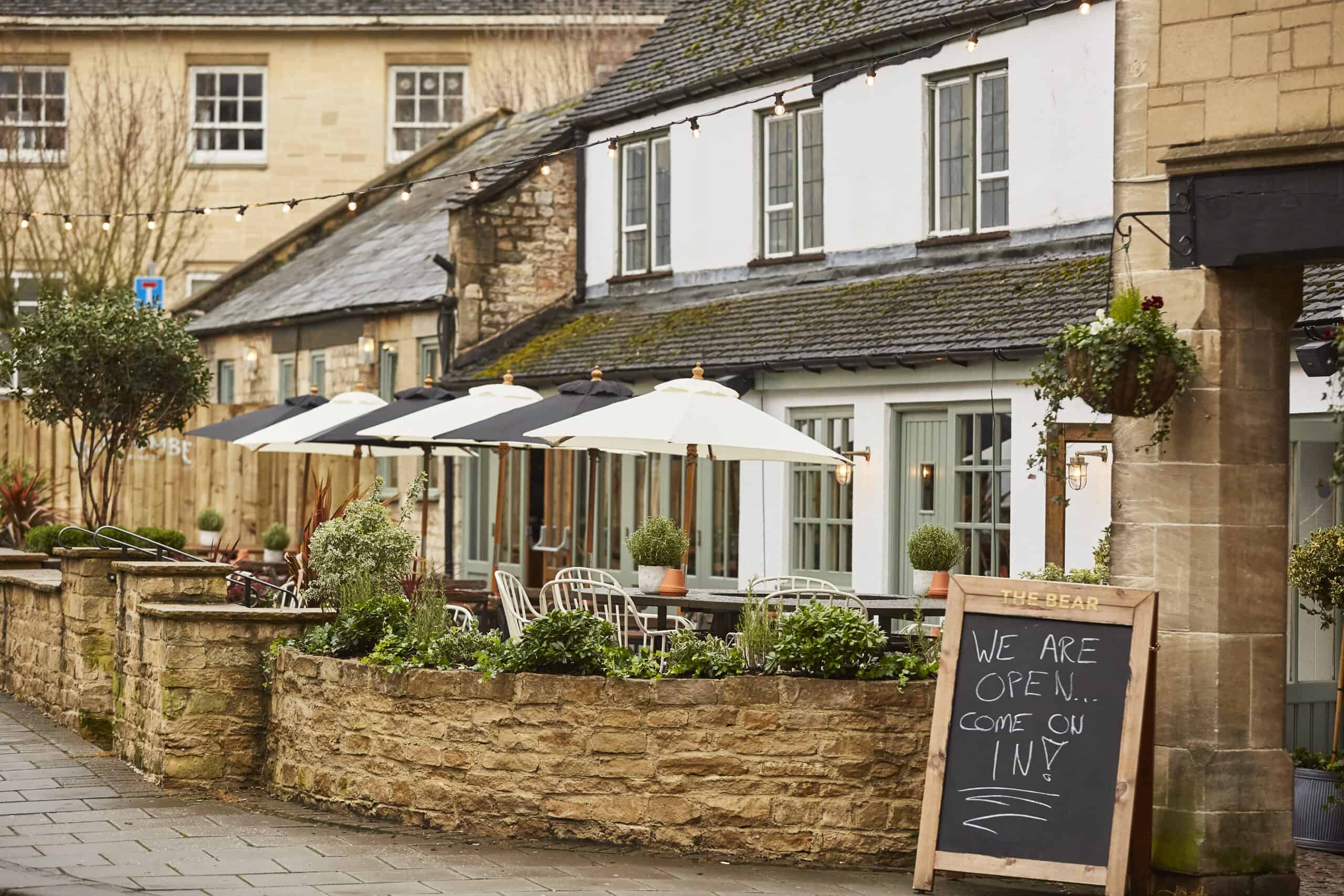
Located on Dyer Street in the historic market town of Cirencester, Gloucestershire, The Bear Inn combines 18th-century heritage with modern British hospitality. Positioned at the edge of the town’s historic marketplace, this Grade II listed pub provides a well-preserved setting, offering regional food, cask ale, and a social hub for locals and travellers exploring the Cotswolds.
A Historical Treasure in Cirencester
The Bear Inn has a long history closely linked to the agricultural trade and community life of Gloucestershire. The following sections outline the architectural origins, commercial role, and modern preservation of this central market town asset.
Origins and Early History
The structural history of The Bear Inn dates back to the 18th century, originating as a traditional market inn and home-brewhouse. It was established to serve the farmers, livestock dealers, and tradespeople who drove the booming agricultural economy of the Cotswolds. Positioned near the historic town centre, the inn quickly became a critical gathering place for local dealers and carriers who converged on Cirencester for its twice-weekly markets.
Architectural Development
The Bear Inn is a Grade II listed heritage site that showcases traditional Cotswold construction and craftsmanship. The interior retains key period features that demonstrate its 18th-century origins, including low-slung original wooden beams, flagstone flooring, and a substantial open hearth. Over the centuries, successive modifications have carefully preserved these structural elements while updating the seating layouts to accommodate generations of marketgoers without compromising the building’s historical integrity.
Role in Travel, Trade, and Society
Historically, the inn played a practical role in local commerce and regional travel networks. Situated on Dyer Street—one of Cirencester’s main historic thoroughfares—it sat near the transportation routes connecting the rural Cotswold hills to the shipping port of Bristol and the markets of London. The inn acted as a central meeting venue where agricultural deals were finalised, and it was heavily frequented by visitors to nearby historic landmarks, including Cirencester Abbey, the Corinium Museum, and the vast Cirencester Park estate.
Historical Events and Notable Figures
Rather than a site for royal military campaigns or political reformists, the historical value of The Bear Inn lies in its documented connection to the region’s brewing and trading heritage. From 1847 through the late 19th century, the inn was managed by the Woodman family, who operated a noted independent home-brewery on the premises, supplying “family ales” to town labourers. In 1891, the lease passed to the historic Cirencester Brewery, cementing the pub’s role in the industrial brewing history of the town.
Cultural and Literary Connections
The distinct rural identity and stone-built architecture of Cirencester have long been documented by regional topographers, artists, and travel historians. The Bear Inn represents the classic English market-town tavern—characterised by local trade, open fires, and a connection to regional agriculture. This authentic, preserved aesthetic ensures that the building remains a prime example of the historic public houses that defined country life in Gloucestershire.
Modern Preservation and Cultural Legacy
Following a careful structural restoration by Butcombe Brewing Co., The Bear Inn functions as a fully modernised pub while keeping its historical fabric intact. Preservation efforts have focused on protecting the original beams, internal stonework, and fireplaces while safely updating the kitchen, bar, and outdoor dining spaces to modern standards. It continues to be a highly valued heritage asset and a thriving business at the heart of the community.
Conclusion: The Enduring Legacy of The Bear Inn
The Bear Inn successfully balances its role as a protected historical site with the demands of modern independent hospitality. We invite you to visit us on Dyer Street, experience our historic beamed interior, and enjoy the hospitality that has defined this venue for nearly three centuries.