A Brief History Of Our Pub in Corsham – charming village pub with rustic dining and local character
Welcome to The Quarrymans Arms, Box Hill
Perched spectacularly atop Box Hill on the outskirts of Bath, on the border of Wiltshire and the Cotswolds, The Quarrymans Arms is an iconic, character-rich traditional country pub and boutique inn. Steeped in over 170 years of gritty industrial heritage, this historic destination masterfully blends its rustic, stone-built architecture with premium, contemporary comfort. The establishment features an acclaimed seasonal restaurant, a cosy bar with roaring open log fires, four individually designed luxury bedrooms, and a stunning, tiered panoramic beer garden boasting breathtaking views across the Bybrook Valley. It stands as a premier sanctuary for walkers, cyclists, staycationers, and locals seeking exceptional food and drink.
A Journey Through Time: The Historical Significance of The Quarrymans Arms
Introduction
Set amid the rolling, elevated landscapes of Box Hill near Corsham, Wiltshire, The Quarrymans Arms stands as a powerful testament to the region’s industrial past and communal warmth. Dating back to its mid-19th-century origins as a localised refuge for underground stone miners, this historic public house has anchored itself as a vital piece of West Country social heritage. With its roots firmly planted in the rugged labour of the Wiltshire valleys, the venue has evolved from a simple Victorian beer house into a beautifully refined, modern country destination that treats its history with deep respect.
Origins and Early History
The true history of the property begins in the mid-19th century, born directly from the subterranean stone boom triggered by Isambard Kingdom Brunel’s construction of the nearby Box Tunnel. Originally built as a simple row of stone cottages owned by the Head family, an ageing labourer named Joseph Head recognised a golden commercial opportunity as hundreds of quarrymen flooded into Box Hill to mine the finest beds of honey-colored Bath freestone. By the 1850s, the cottages had been converted into a dedicated dockside-style beer house—briefly known as the Carpenter’s Arms—providing hard-earned liquid refreshment, warmth, and intense camaraderie to the men who spent their days hand-sawing massive stone blocks in the pitch black of the underground mines.
Architectural Development
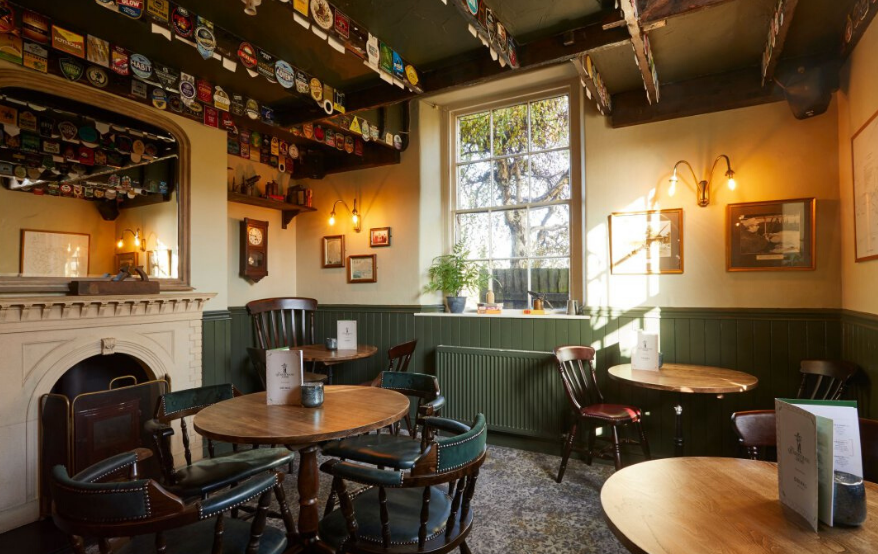
Architecturally, The Quarrymans Arms is a spectacular example of rustic West Country vernacular design. Constructed entirely from the very Cotswold limestone that its original patrons spent their lives mining, the structure reflects a flawless marriage of working-class functionality and simple, enduring aesthetic grace. Rather than elegant coaching symmetry, the building is defined by its cosy, low-ceilinged rooms, exposed internal masonry, and large open hearths. The interior serves as a literal museum of industrial history, featuring an extraordinary, permanent display of genuine 19th-century quarrying artefacts—including massive hand-picks, original tallow candle spikes, and authentic seven-foot stone-cutting saws salvaged directly from the abandoned shafts.
Role in Travel, Trade, or Society
Bypassed by the main turnpike highways like the A4, The Quarrymans Arms never functioned as a polished coaching inn for the high-society gentry. Instead, it carved out a far more meaningful legacy as a fiercely democratic, community-focused sanctuary nestled directly within the residential lanes of the quarry workers. It served as the central nerve centre for the village of Box Hill, a raucous and lively hub where miners, stonemasons, and local families gathered to exchange town news, organise labour, and find relief from the gruelling conditions of the stone trade. As the mines slowly closed through the 20th century, the pub seamlessly transitioned, keeping its vital civic role alive.
Historical Events and Notable Figures
The true, captivating milestone of the venue centres on its flawless operation across generations under legendary local families, most notably the Hancock line, who single-handedly protected the region’s physical folklore from being lost to time. Rather than hosting medieval royalty or Civil War soldiers, the property is famous among industrial historians for preserving the memory of the subterranean world. The pub stands today as a celebrated base camp for industrial archaeologists, heritage geologists, and walkers exploring the historic quarry woods and the staggering engineering marvel of Brunel’s railway lines.
Cultural and Literary Connections
The cultural identity of The Quarrymans Arms is inextricably linked to the striking natural geography and folklore of the Bybrook Valley. The pub’s sprawling, multi-tiered outdoor beer garden is legendary throughout Wiltshire, acting as a massive cultural draw where guests can sit on the edge of the hillside, taking in panoramic views of the very landscape that fueled Britain’s architectural golden age. This breathtaking setting has inspired countless local landscape artists, photographers, and writers, embedding the pub within the wider artistic consciousness of the West Country.
Modern Preservation and Cultural Legacy
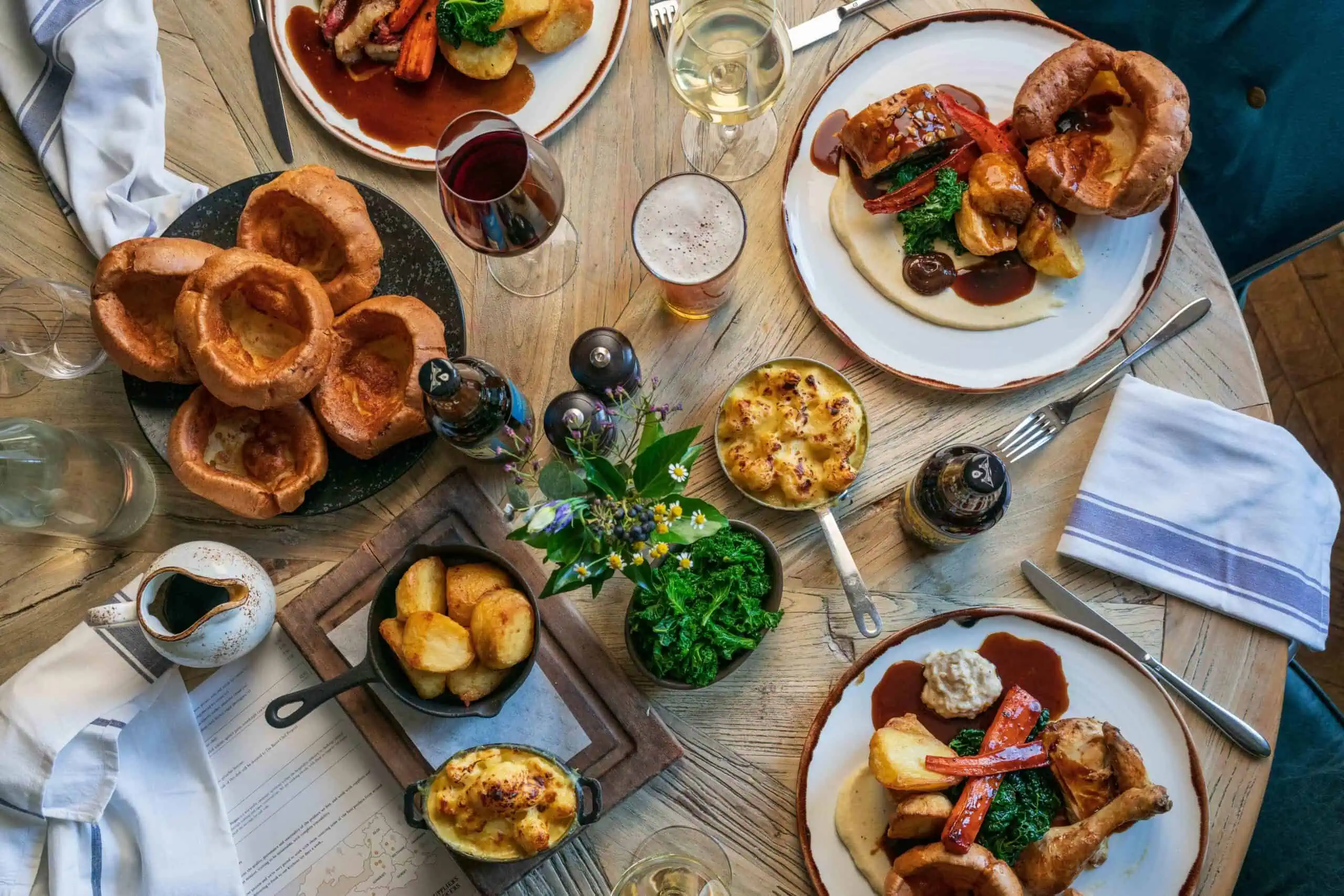
In the contemporary era, The Quarrymans Arms has achieved a flawless balance between historical integrity and modern premium hospitality under its stewardship by Butcombe Brewing Co. A sensitive, high-end refurbishment has added four luxury, boutique en-suite hotel bedrooms complete with premium linens and modern finishes, making it a highly sought-after staycation escape. Operating with a strict commitment to regional sustainability, the kitchen serves an exceptional menu of elevated, seasonal pub classics and highly acclaimed Sunday roasts, perfectly complemented by award-winning real cask ales, local ciders, and a superb fine wine list.
Conclusion
The Quarrymans Arms successfully bridges the gap between a rugged 19th-century miner’s sanctuary and a spectacular modern boutique country inn. We invite you to step through our doors on Box Hill, sit down beneath the historic saws and tools that carved out the modern West Country, and experience the exceptional British dining, local beers, and world-class heritage hospitality that have defined this magnificent Wiltshire landmark for nearly two centuries.