

A Brief History Of Our Pub in Frome – stylish boutique inn with character rooms and contemporary dining
Welcome to The Archangel: A Historic Landmark in Frome
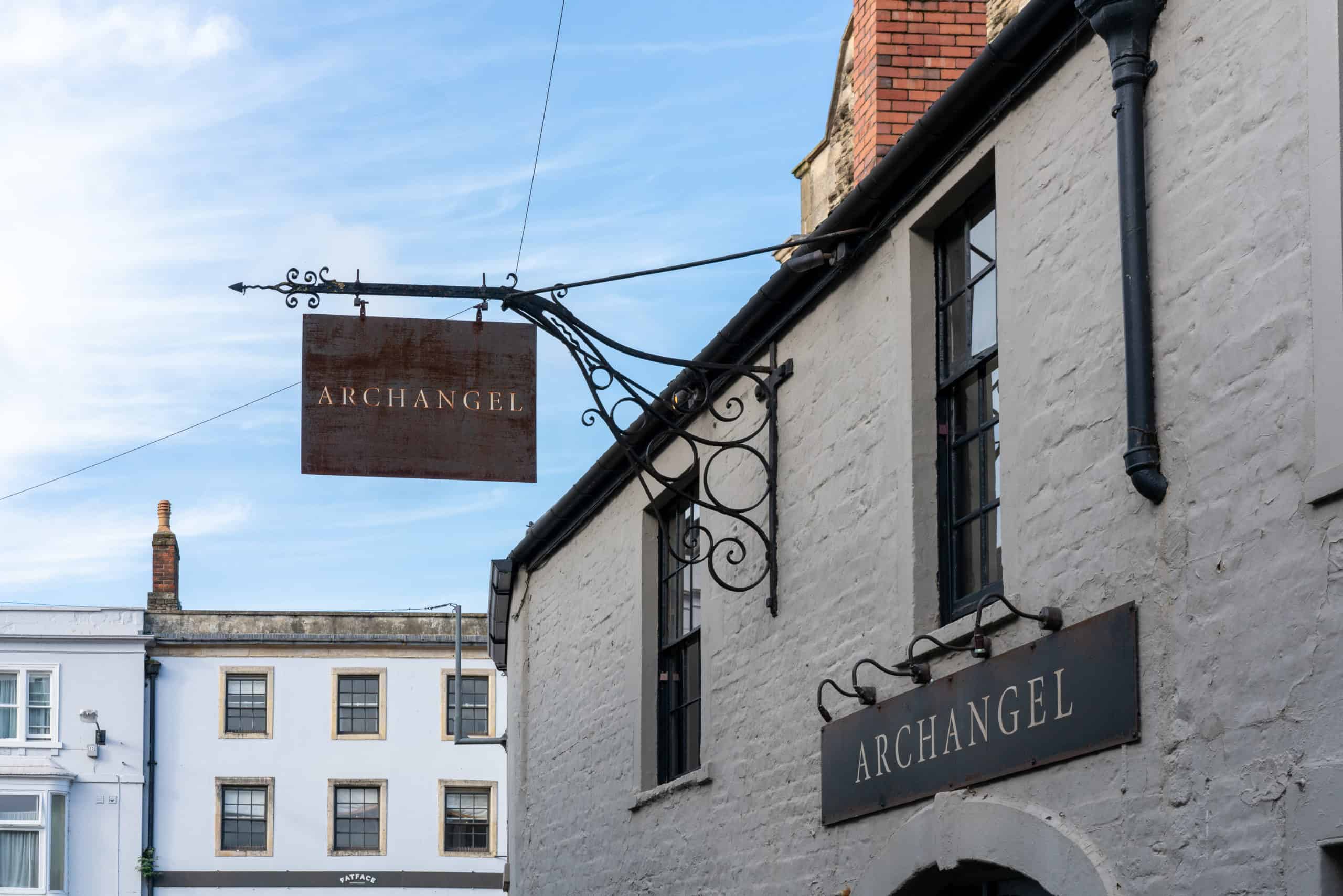
Located in the historic West End of Frome, Somerset, The Archangel combines deep medieval roots with modern hospitality. Serving the town for centuries, this historic inn and restaurant provides a well-preserved setting on Palmer Street, offering regional food, drink, and boutique accommodation to locals and travellers alike.
A Journey Through Time in Frome, Somerset
The Archangel has a long history closely linked to the industrial and social development of Somerset. The following sections outline the architectural origins, commercial role, and modern preservation of this landmark urban inn.
Origins and Early History
The structural origins of the building date back to the 14th century, making it one of the oldest recorded hospitality sites in the region. Historically known for centuries as The Angel Inn, it was established to serve the merchants, buyers, and travellers arriving for Frome’s busy agricultural and manufacturing markets. The inn’s early growth was heavily driven by the town’s booming medieval wool and cloth trades, which established Frome as one of the largest and wealthiest settlements in Somerset at the time.
Architectural Development
The Archangel is a Grade II listed building that showcases a complex mix of medieval, Tudor, and Georgian architecture. The property is characterised by its striking timber-framed front, exposed internal stone walls, and an ancient, unaltered stone archway that originally allowed horses and carriages access to the rear courtyard. Inside, a sympathetic modern restoration has preserved historic features—such as original beams, hand-forged ironwork, and a freestanding Jacobean timber structure—while creating a contemporary glass-walled dining space.
Role in Travel, Trade, and Society
Historically, the inn was a crucial hub for commerce and travel in the West Country. Situated on Palmer Street, it sat directly on the old pathways leading toward key regional destinations like Bath, Salisbury, and the nearby market town of Shepton Mallet. The inn featured extensive stables to house the horses of travelling clothiers and merchants. Beyond trade, it functioned as a vital social anchor within Frome, serving as a meeting house where local publicans, tradespeople, and town officials gathered to conduct business and share news.
Historical Events and Notable Figures
The true historical significance of the inn is tied to Frome’s radical political history, particularly the Monmouth Rebellion of 1685. The town was a stronghold for the rebel Duke of Monmouth, and the local wool-workers and tradesmen who frequented The Angel were heavily involved in the uprising against King James II. The building stands as an authentic monument to the working-class and non-conformist history of the area.
Cultural and Literary Connections
The distinct industrial heritage and steep, winding streets of Frome have long been documented by regional topographers, historians, and travel writers. As one of the town’s primary historic coaching inns, the property represents the classic Somerset urban tavern. This highly authentic, traditional aesthetic has made the surrounding historic conservation area a frequent choice for period television and film productions.
Modern Preservation and Cultural Legacy
Following a major, award-winning restoration project, the venue was renamed The Archangel and successfully modernised. The preservation layout prioritised protecting the medieval structural fabric and historic courtyard walls while safely updating the guest rooms and kitchen facilities. Today, it remains a thriving independent business and a central piece of Frome’s modern cultural and culinary identity.
Conclusion
The Archangel successfully balances its role as a protected heritage site with the standards of modern hospitality. We invite you to visit us on Palmer Street, walk beneath our medieval archway, and experience a living piece of Somerset’s commercial history.